Less in. More out.
Raw footage goes in a folder and one box gets ticked. Here's what that adds up to.
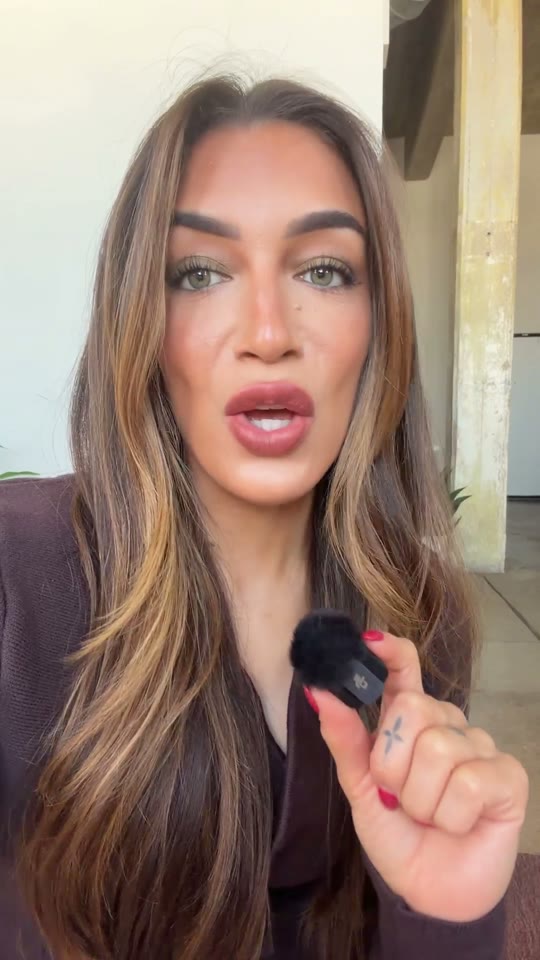 24.5 s
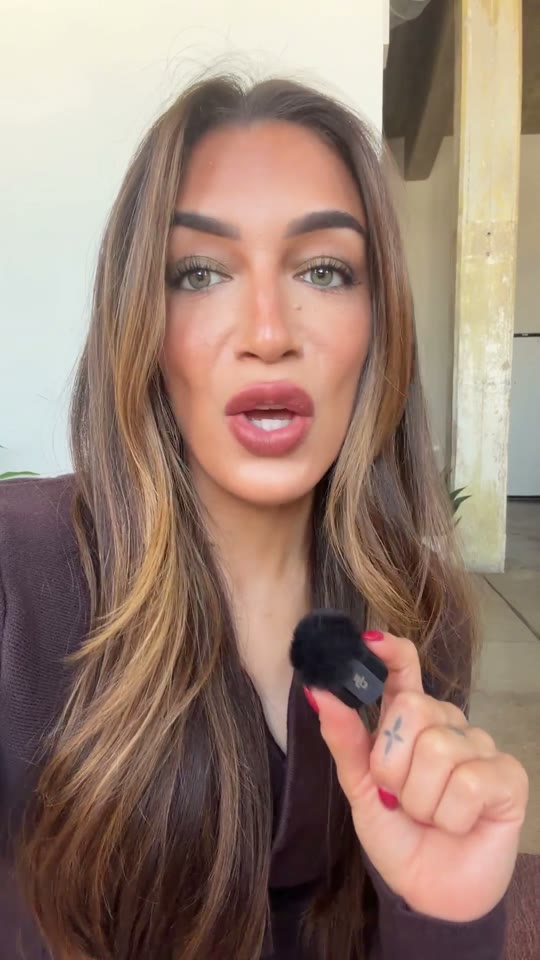 21.5 s
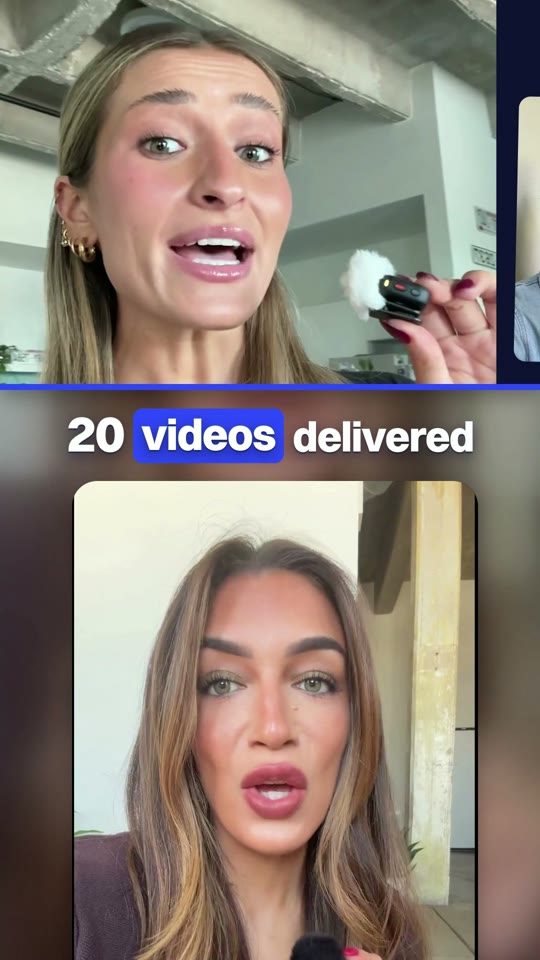 final
How it works
Raw footage goes in a folder and one box gets ticked. The system finds the client, reads their brand rules and script, cleans the audio and picks the best takes. Then it shows me three ways to edit the batch, on the real footage.
I pick. It builds every ad, checks each one against my rules, fixes what fails, and hands me one page to review. I leave notes on the timeline, it sends each note to the right fixer, and the finals land in the client's folder.
- Same notes, every batch
- Top-dollar AI doing the chores
- Feedback as a wall of text
- Me checking every frame
- Say a rule once, it's checked forever
- Each job on the cheapest tool that does it well
- Notes pinned to the exact second
- Me at two gates
The map
Ten steps, one owner touch at step 5 and step 9. Watch the job move, or click any step to stop and read it.
One batch, start to finish
It gets better every batch
Most systems stay exactly as good as the day you built them. This one learns from every batch it runs.
Every “no” I give, it only needs to hear once. Every batch tests something. The winners become the starting point for the next one.
no rule gets said twiceA note on the review page, pinned to the second.
If it can be checked, code checks it on every render from then on.
The style that performs better is where the next batch starts.
Each batch splits across two styles, so it always learns something.
every
lap
Rules the code checks
- Captions never sit on a face.
- Jump cuts are hard cuts. No fades.
- No chimes, shimmers or sparkly whooshes.
- No colour grade unless I approved it.
- Something changes on screen at least every few seconds.
- Loudness hits the target on every ad.
- Fail the same check three times and it comes to me.